Ostrava, Czech Republic
Ostrava, the capital of the Moravian-Silesian Region, is located in the northeast of the Czech Republic. It is home to approximately 290,000 inhabitants. The city is located at the confluence of the Odra, Opava, Ostravice and Lučina rivers, which is 15 km from the Polish border. It is the largest city in the historical land of Czech Silesia and the third largest city in the Czech Republic in terms of population and area.
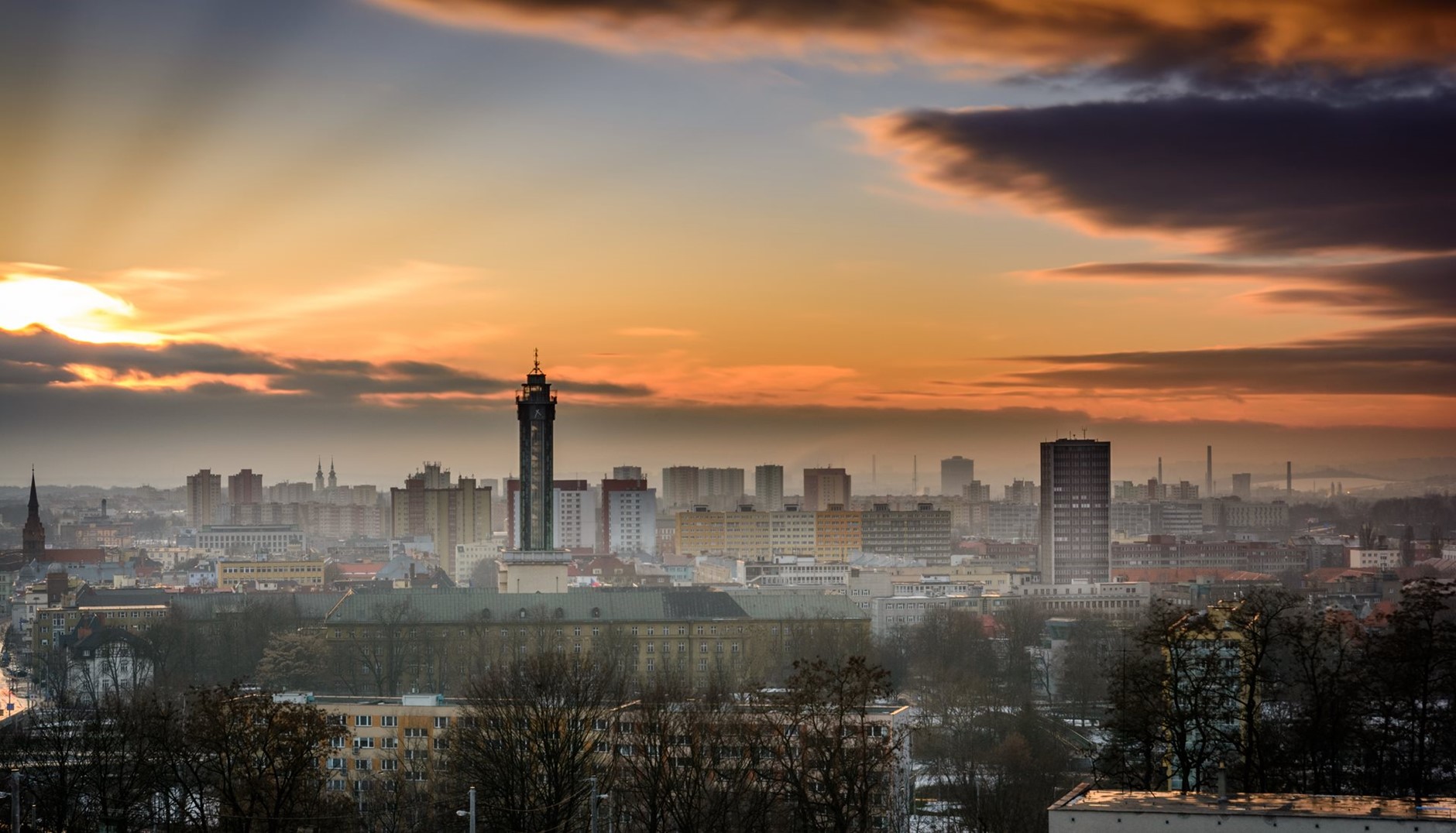
Ostrava was located in the heart of a large coalfield, making it an important industrial engine of the Austrian Empire. In the 20th century, Ostrava was known as the "steel heart" of Czechoslovakia due to its status as a mining and metallurgical center. Since the Velvet Revolution (1989), the city has undergone profound and far-reaching changes to its economic base. The industries in the region have been radically restructured, as the last coal was mined in 1994. Nevertheless, the remains of the city's industrial past are still visible in the Dolní Vítkovice area. This area served as a complex of coal mining, coke production and ironworks in the city center. Dolní Vítkovice has applied for inclusion on the UNESCO World Heritage List.
In addition, Ostrava is home to various cultural facilities, such as theatres and galleries. Various cultural and sporting events take place in the city throughout the year, such as the Colours of Ostrava music festival, the Janáček May classical music festival, the Summer Shakespeare Festival and NATO Days. The city is home to two public universities: VŠB - Technical University of Ostrava and the University of Ostrava. In 2014, Ostrava became the European City of Sport. In 2004 and 2015, the city co-hosted (together with Prague) the Ice Hockey World Championships.
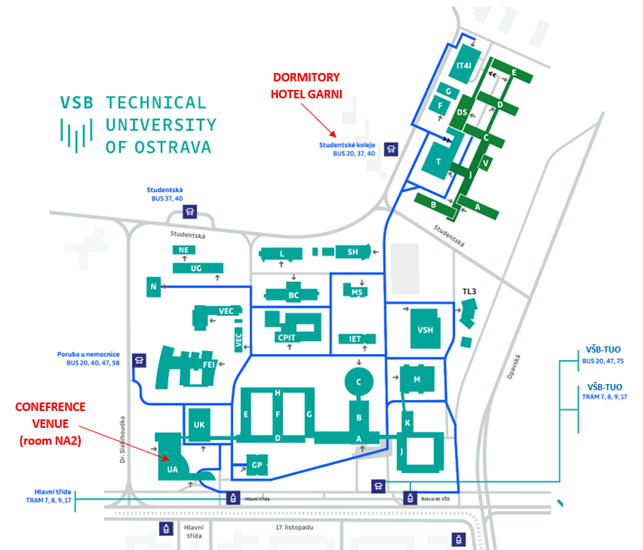
The conference is organized online for virtual participation and on the VŠB-TUO campus for physical participation.